Keele University run an innovative exchange programme with partners in France that provides opportunities for PGCE students to immerse themselves in each other’s culture and teach in foreign schools.
This inspirational experience helps students develop an enriched understanding of integrated learning and return refreshed with new perspectives on their practice.
View this short film that highlights the impact of this programme on all of the participants including partners and educators.
Working with the Wolverhampton Art Gallery provided a platform for a teacher alongside a core group of learners, to lead a whole school art project. Creating a gallery and managing an event presented lots of opportunities for creative learning and teaching.
Exploring the new creative curriculum and co-constructing as a team enabled the group to create an inspired project that developed independent enquiry, critical thinking, problem solving, peer mentoring and teamwork. The project had a dynamic impact across the whole school.


Teenage boys had an immersive learning experience using drama, poetry and digital creativity with amazing outcomes.
The project explored War, Conflict & Peace inspiring the the boys to express themselves with original poetry performed using green screen film making.
Natalia Stevens, their English Teacher commented;
“Personally it’s been really nice for me to see the whole class engaged in such a wide variety of tasks. It was nice in the reflection that some of the students picked up on that it had given everyone a chance to get involved.”
The technology used throughout the project was integrated into the curriculum improving the teachers and learners confidence and skills had.
Using greenscreen technology to help deliver their final poems allowed the boys to not only think about the content, but also the ways in which they could emphasize important aspects by adding sound effects, videos or images and music to help create an atmosphere to their poem and bring it to life.
“I liked using digital tools as it helped to improve our confidence, especially those who don’t normally express their ideas.”
Osama, Year 9 pupil
This short film above summarises the project.
This provocative project enabled young people with disabilities to think about and share their future career aspirations. As with all young people, when formal education approaches it’s conclusion, there are often more questions than answers regarding the future. With young people in ‘special’ education there can be a higher level of uncertainty and their career aspirations are not always matched by opportunities and support services. What does this situation say about our society and the careers support we offer vulnerable young people?
This short film provides a platform for young people at Regency school in Worcester to share their aspirations and ‘Dream a Future’. Their work was shared with service providers and Head Teachers stimulating a healthy debate around these important issues.
The Perdiswell Young People’s Leisure Club in Worcester, was packed full of pupils and staff to watch ‘Who Cares?’
The event began with a speech from headteacher Kay Hamilton, then Dan Lloyd read out a poem written by Ashleigh Jones. After watching the film and the behind the scenes documentary, the audience had the opportunity to pass on their thoughts and feelings about the production by writing comments on the ‘scrawl wall’.
Choices
by Ashleigh Jones
Choices, choices
Which one to make?
Choices, choices
Affect your fate
What is fate? Is it my choice?
Should I speak out with my voice?
Is it good? Is it bad?
Other people’s choices make me sad
Some choices I make, make me happy inside
I feel I could burst and have no reason to hide
I don’t need to drink to hide my pain
I have choices to make all the same
I will make the right choice, believe me I will
I just need to take some time off to have fun and chill
A group of young Polish people from Hadley in Telford had the opportunity to not only celebrate their culture but to also develop a sense a what it is to belong within a community.
Personal experiences were explored through various dance and drama workshops to expand the meaning of belonging within places and relationships, discovering how these aspects affect our sense of well being. The six participants created their very own show and performed it to their friends and family.
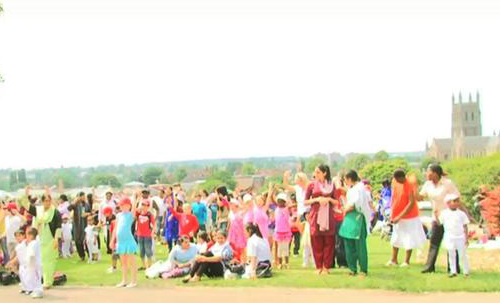
Children in primary and secondary schools have to study War as part of their curriculum. Why not Peace too?
Peace Picnics were established in the UK by Universal Learning and they give children and their communities the opportunity to celebrate and think about peace with wonderful creativity and delicious food! We provide stimulus for a half term topic or one day workshop ( and everything in between) to facilitate a ‘peace picnic’, an important life event that nourishes hearts, minds and souls.
Last summer Stanley Road Primary School invited their local community to celebrate peace and enjoy their creativity and delicious food. Leading up to the event, children thought about peace and expressed their ideas with artistic installations and performances. The glorious sunshine provided a perfect landscape for community to come together and celebrate peace and diversity.
Watch this short film to get a flavour of what peace picnics are all about, you may be so inspired you will want to do your own peace picnic
Pupils from Short Wood Primary in Telford were involved in a community project that enabled them to work with older people living in Arleston and help them reflect on their memories of living and growing up in their local community.
This inter-generational project brought together different generations and helped young people develop journalistic and film making skills and prepare questions that would provoke discussion about what life in Arleston was like in times gone past and how it compares and contrasts to how things are now.
This short inspirational film shares lovely and fascinating memories and shines a light on how children and older people can work together and develop their shared understanding of each other.
Kids from Short Wood Primary think about their aspirations and ask what life is like living and growing up in their diverse community. Subsequently, they produced a short film and taken photographs that they used to create an exhibition.
‘The Way We See It’ is the outcome of a creative project that brought the community together to share what is important to them.